

Skip to content
Places

The places offered

The university offers places by competition section, not by programme: one section can cover two programmes competing for the same pool of places. For the September 2026 session, this page gives the figures for each section, the formula by which the admission mark is calculated, and the routes to admission.

State-funded places
41
Fee-paying places
67
Competition sections
7
Session
September 2026
Bachelor's

Four competition sections

Each section has its own formula for calculating the admission mark. The two Informatics programmes appear separately: the full-time and the distance-learning forms are ranked by different criteria.

Bachelor's total

35 / 42

State-funded and fee-paying places, added up across the four sections.

01

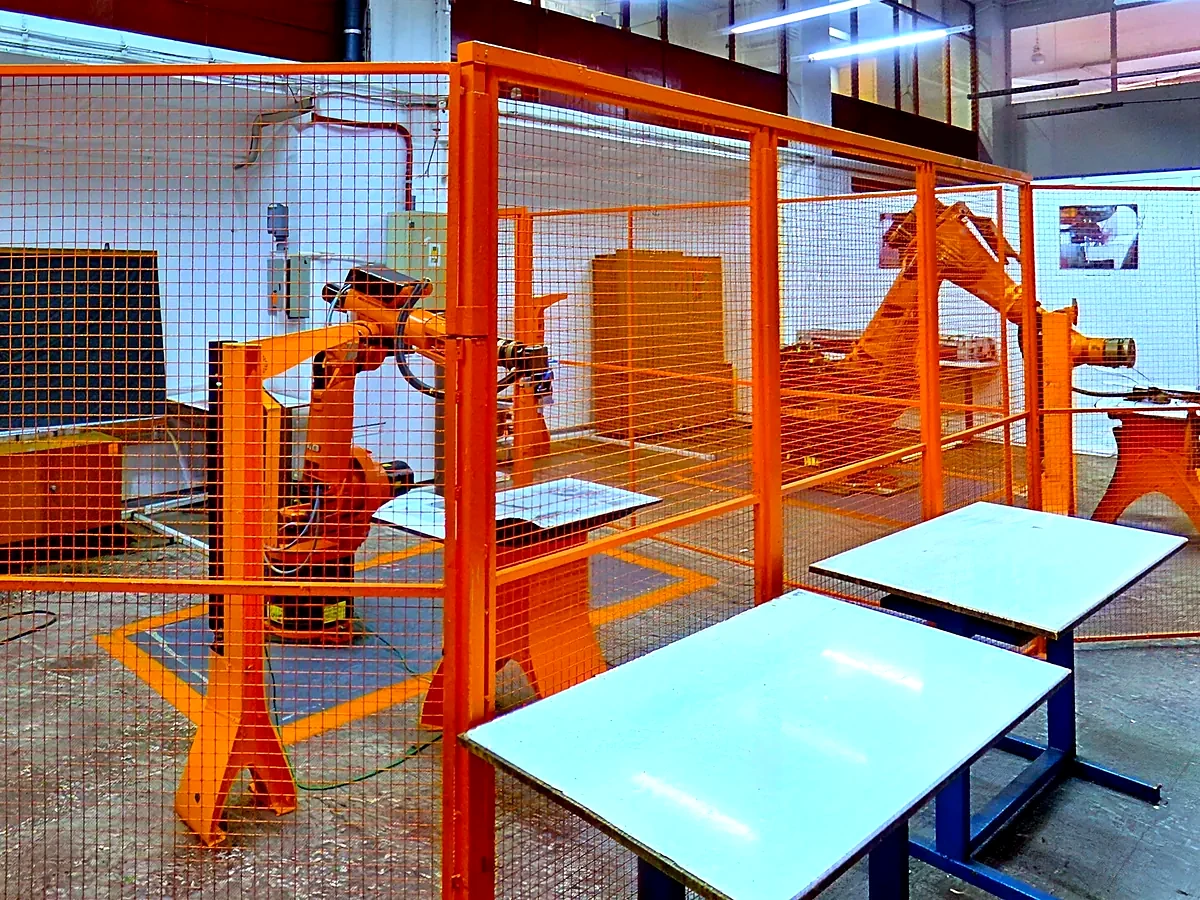
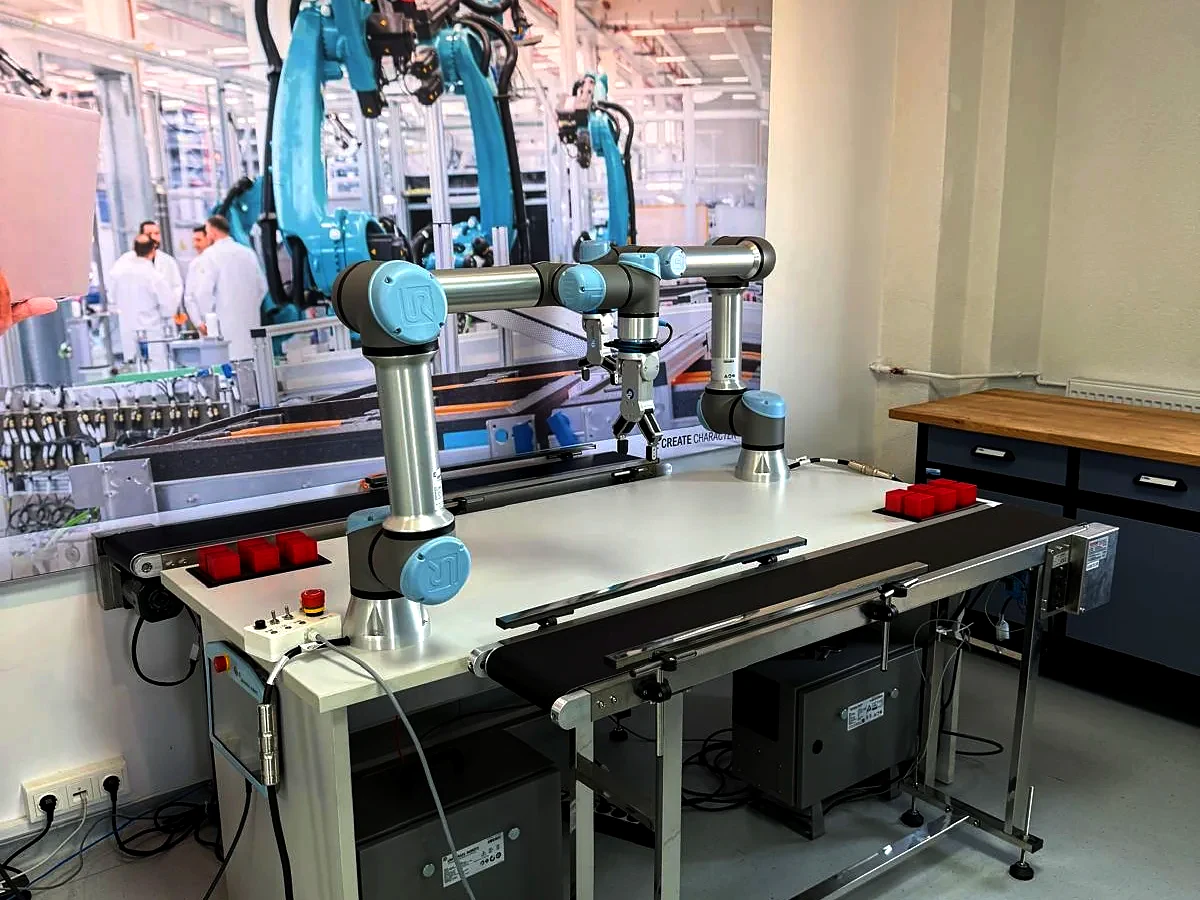
Mechatronics, Robotics

Two programmes, a single pool of places

5
state-funded
0
fee-paying

Admission mark

m = b

m
The admission mark
b
The overall baccalaureate average

Routes to admission

  • 01File competitionThe admission mark is the overall baccalaureate average, and it alone decides your position in the ranking. There is no additional test.
  • 02Direct admission with a mark of 10, for prizewinnersFirst, second or third prize at an international or national olympiad, or at a competition on the list approved by the university, leads to direct admission, with an admission mark of 10.
  • 03Admission for Romanians living abroadFor the places allocated through the dedicated national procedure, ranking is likewise by file competition, the admission mark being the overall baccalaureate average.
  • 04Admission for international candidates from outside the EUThe application follows the procedure for acceptance to study in Romania. The admission mark is the overall average of the baccalaureate or of the equivalent diploma.
02

Drone Engineering and Aeronautical Informatics

Taught in English, with its own admission procedure

20
state-funded
15
fee-paying

Admission mark

m = 0.5 × npB + 0.5 × ni

m
The admission mark
npB
The mark in one of the baccalaureate subjects, chosen by the candidate: mathematics, computer science or physics
ni
The interview mark

03

Informatics

One baccalaureate subject mark weighs four times more than the overall average

10
state-funded
5
fee-paying

Admission mark

m = (4 × n + b) / 5

m
The admission mark
n
The mark in the baccalaureate mathematics, computer science or physics paper
b
The overall baccalaureate average

Routes to admission

04

Informatics, distance learning

The distance-learning form is offered exclusively on fee-paying places

0
state-funded
22
fee-paying

Admission mark

m = b

m
The admission mark
b
The overall baccalaureate average

Routes to admission

  • 01File competitionThe admission mark is the overall baccalaureate average. Unlike the full-time form, no paper carries additional weight.

How candidates tied for the last available place are separated is set by the university's admission methodology, section by section.

Master's

Three programmes on the same formula

All three professional master's programmes are ranked by the same formula. What differs is only the test from which the faculty's mark comes.

Master's total

6 / 25

State-funded and fee-paying places, added up across the three programmes.

Admission mark

Ma = (2.5 × Md + 2 × Ni + k) / 5

Ma
The admission mark
Md
The average of the bachelor's final examination
Ni
The mark in the test organised by the faculty
k
A coefficient between 0 and 5, according to the bachelor's field completed

The programmes

01

Robotic Systems and Artificial Intelligence

Field of mechatronics and robotics, professional master's. The test mark comes from: summary assessment form.

3
state-funded
10
fee-paying

02

Intelligent Mechatronic Systems for Industry 4.0

Field of mechatronics and robotics, professional master's. The test mark comes from: summary assessment form.

1
state-funded
10
fee-paying

03

Information Technologies

Field of computer science, professional master's. The test mark comes from: interview.

2
state-funded
5
fee-paying

Routes to admission

Paying one registration fee gives the right to apply within a single competition section. Applying to a second section means a second fee.

Special purpose

Places with a special purpose

On top of the places above, state higher education allocates separate places each year to several categories of candidate. Their number is set by the university's admission methodology.

  • 01Roma candidatesSeparate places allocated each year in state higher education, on the basis of a letter of recommendation from a recognised organisation.
  • 02Graduates of rural secondary schoolsPlaces allocated to graduates who attended secondary school at an institution in a rural area.
  • 03Candidates from the social protection systemFor candidates from care homes or in foster care, under the conditions laid down in the regulations.
  • 04Candidates with disabilitiesPlaces and support measures for candidates who present the document attesting to their degree of disability.
  • 05Romanians living abroadPlaces allocated through the dedicated national procedure for Romanians outside the country's borders, with the file submitted through the route that procedure provides.
  • 06Foreign citizensAdmission follows the procedure for acceptance to study in Romania, which is separate from the ordinary session.

01

When you apply

Marking the category on the form

A separate place is not granted automatically. The candidate requests it explicitly on the application form, in the section the university's platform provides.

02

In the file

Adding the supporting document

Each category has its own supporting document. Without it, the application enters the ordinary competition, for the general places.

03

At the results

Ranking is done within the category

Candidates competing for separate places are ranked among themselves, within the number of places allocated to that category.

The documents

Documents beyond the ordinary file

On top of the documents required of every candidate, an application for a separate place includes the document attesting to the situation invoked, and a master's application includes the assessment form or the proposal presented at the interview.

The competition section and the programme chosen

The order of preferences on the form decides which place a candidate takes when several programmes in the same section are open to them.

Was this page useful?

Report a problem